The military confrontation between the United States and Iran has intensified, marked by a series of strikes and conflicting accounts regarding maritime incidents in a critical global shipping route. The situation remains highly volatile as both nations issue contradictory statements about recent events, complicating the understanding of the situation on the ground and at sea. The recent exchange of military strikes and the subsequent disputes over what exactly occurred in the strategic waterways have drawn intense international scrutiny. The conflicting narratives present a complex picture of the escalating tensions in the region.
Disputed Maritime Incidents
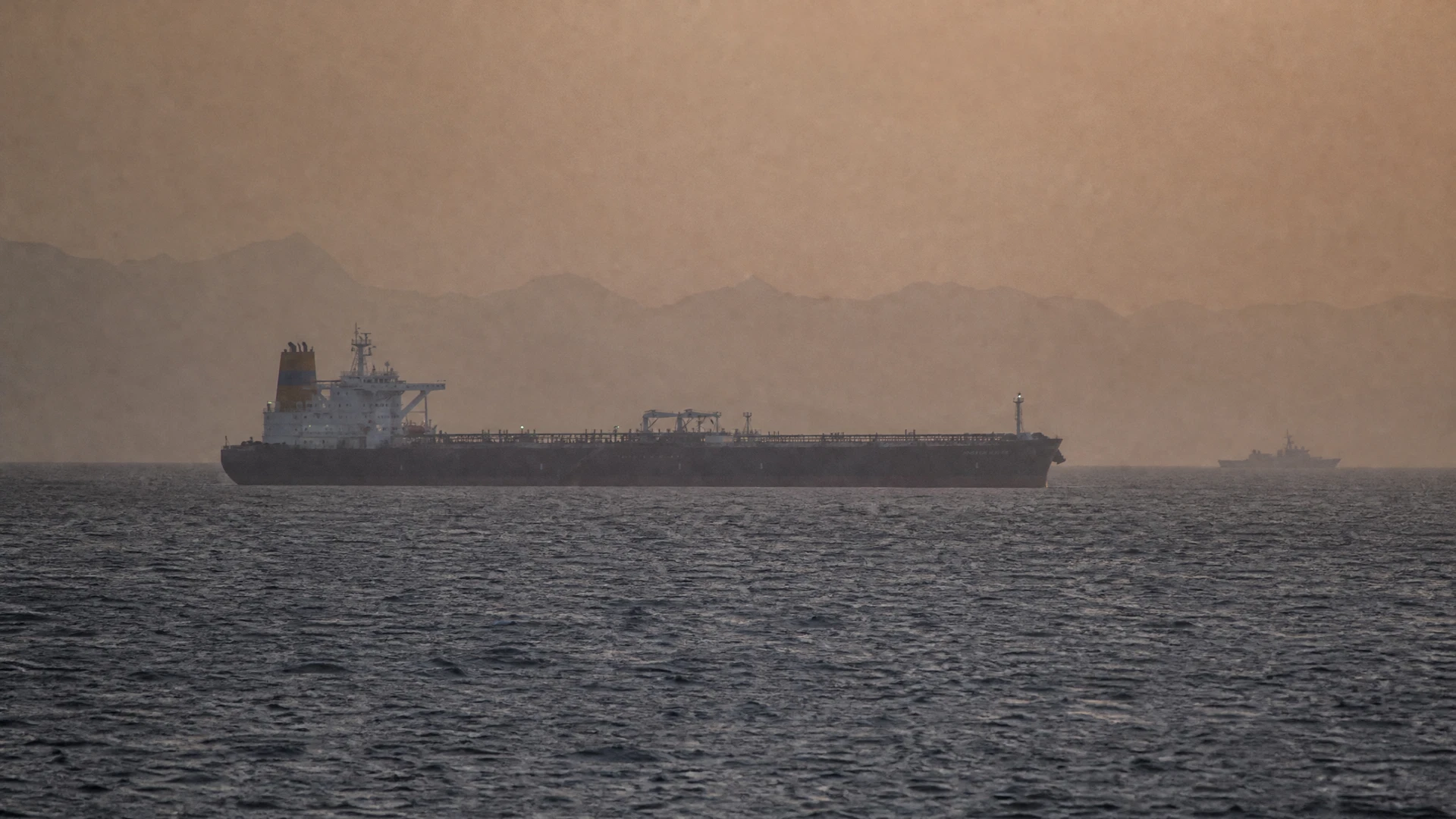
Iran’s Revolutionary Guard announced that two oil tankers struck naval mines while attempting to navigate the Strait of Hormuz. This strategic waterway is a vital artery for global energy supplies, and any disruption carries significant implications for international markets. The Iranian assertion that commercial vessels have been damaged by mines introduces a severe complication to maritime security in the area. The claim by the Revolutionary Guard suggests a heightened level of danger for international shipping attempting to transit the narrow and crucial strait.
However, the United States Central Command firmly rejected the Iranian account. According to U.S. military officials, no vessels have encountered or struck mines within the strait. The conflicting narratives highlight the deep mistrust and the challenges in independently verifying incidents in the highly contested region. The U.S. denial of the Iranian claims points to a significant divergence in the reporting of events, raising questions about the true state of affairs in the critical shipping lane. The absolute rejection by U.S. Central Command underscores the stark differences in the accounts provided by the two nations.
Regional Military Escalation
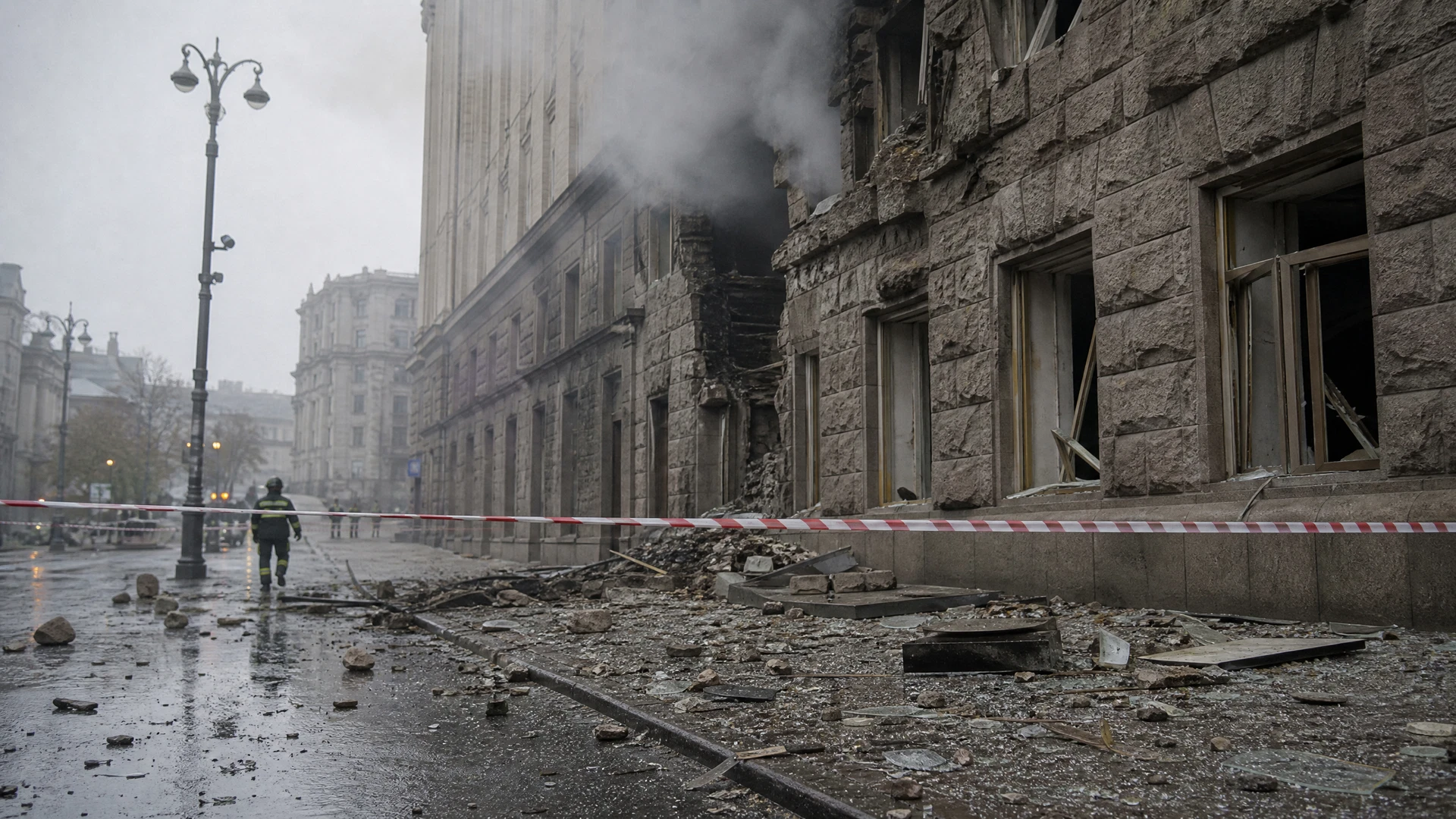
The maritime dispute coincides with direct military engagements. United States forces confirmed that they have carried out targeted strikes against Iranian military infrastructure. These operations focused on degrading Iranian capabilities, specifically targeting air-defence systems, communications networks, and radar installations. The U.S. strikes represent a significant escalation in the direct military confrontation, aiming to neutralize key components of Iran's defensive and operational infrastructure. The focus on air-defence and communications highlights a strategic effort to diminish Iran's military coordination and response capabilities.
The regional impact of the confrontation has expanded beyond direct U.S. and Iranian engagements. Both Jordan and Bahrain reported that they successfully intercepted Iranian attacks. Authorities in Jordan confirmed that their defensive actions resulted in no casualties, underscoring the broader regional security implications of the ongoing conflict. The involvement of neighbouring nations like Jordan and Bahrain illustrates the widening scope of the hostilities. The successful interceptions by these nations demonstrate the heightened state of alert and the active defensive measures being employed across the region in response to the escalating situation.
Ongoing Security Assessments
As the situation develops, military commands and regional allies will continue to monitor the Strait of Hormuz and assess the effectiveness of defensive measures following the recent exchanges of strikes.