On 24 September 2026, Reuters reported that U.S. and Iranian negotiators in New York were exploring a phased path out of the conflict that could involve Iran reopening the Strait of Hormuz and the United States lifting its economic blockade of Iran. The account was based on comments from sources close to the talks and described an exploratory diplomatic channel, not a confirmed agreement or change in maritime policy. [1]
The reported concept would exchange movement on two separate forms of leverage: access to the strategic waterway for relief from U.S. economic pressure. A senior Iranian official told Reuters that the first stage could be ending the blockade and reopening Hormuz, with possible Iranian access to frozen assets. The report did not say that either government had accepted this sequence, signed it or set an implementation date. [1]
Key points
- Reuters reported exploratory U.S.–Iran talks in New York on 24 September 2026, not a concluded deal. [1]
- The reported proposal links a possible reopening of navigation with U.S. blockade relief and potentially access to frozen Iranian assets. [1]
- Iranian sources said Tehran wanted to preserve administrative control of the waterway, while Gulf states opposed a transit-fee arrangement and demanded freedom of navigation. [1]
- The Strait of Hormuz carried an estimated 20.9 million barrels a day of oil in the first half of 2025, about one-fifth of global petroleum-liquids consumption, according to the U.S. Energy Information Administration. [2]
- No signed pact, joint statement, verified reopening, sanctions change or timetable was reported in the material reviewed for this article. [1]
What Reuters reported
Reuters said the discussions followed months of war and that Hormuz had become the central bargaining issue in efforts to find a way out of the confrontation. Washington was seeking free passage for ships on a major global oil route, while Tehran was seeking relief from an economic blockade that the report said was damaging Iran’s economy. The description establishes the subject of the talks; it does not establish that the blockade has been lifted or that navigation has been restored. [1]
How the reported phased proposal could work
The sequence described by Reuters starts with two linked actions: Iran would allow navigation through Hormuz and the United States would end its economic blockade. The Iranian official also said Tehran could potentially gain access to frozen assets. Reuters reported that an earlier understanding had collapsed in July, creating a trust problem over whether any temporary arrangement would last long enough to be relied upon. [1]
A separate issue concerned proposed transit payments. Regional sources told Reuters that Tehran might move a demand for fees out of the main agreement and into a side attachment because ending the blockade had become the more urgent priority. Gulf states were reported to have rejected the fee proposal. The same reporting said deferring the issue would not amount to Iran formally abandoning its position. This is a reported negotiating option, not evidence that a fee mechanism exists or has been accepted. [1]
Why the Strait of Hormuz matters
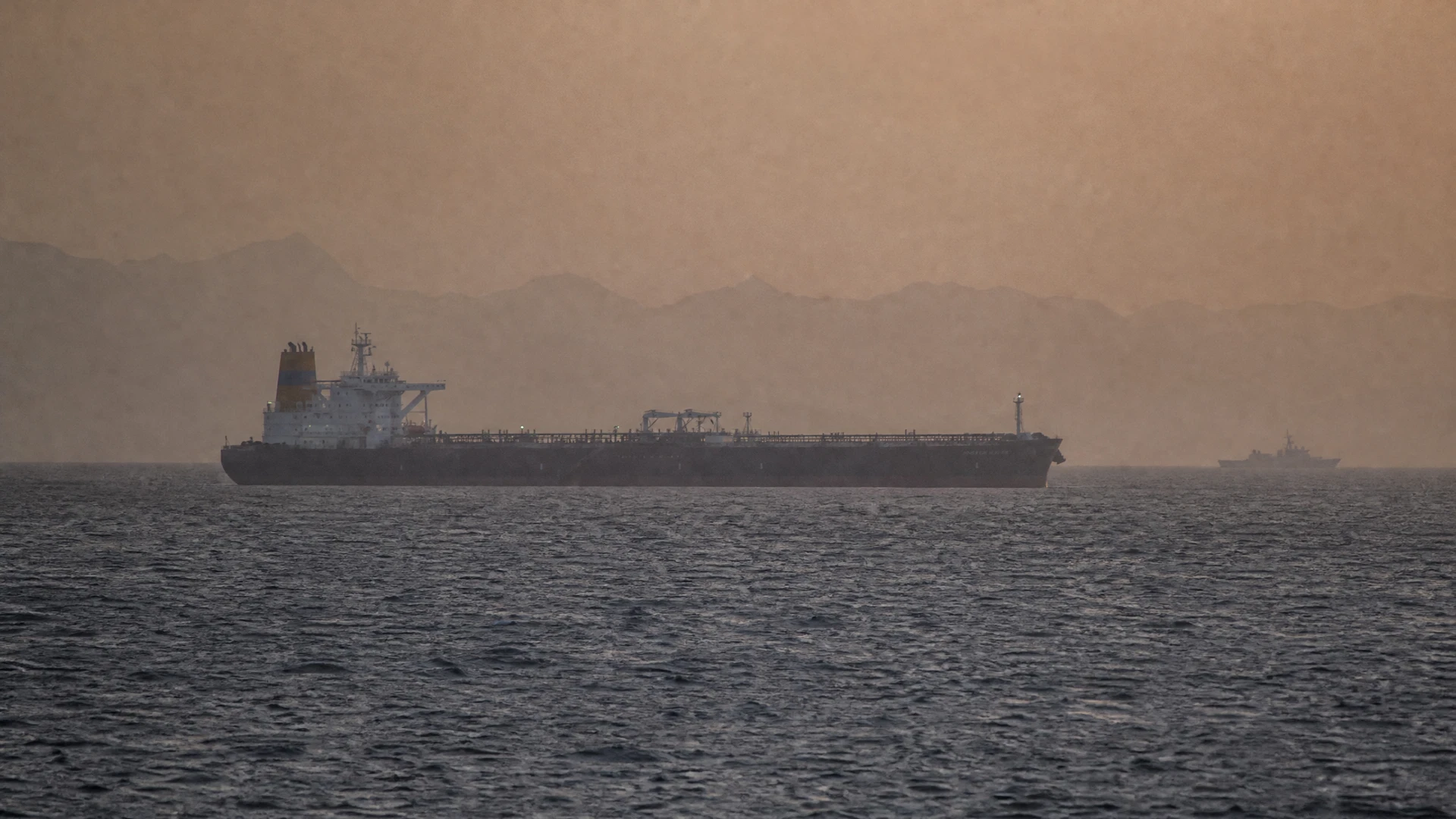
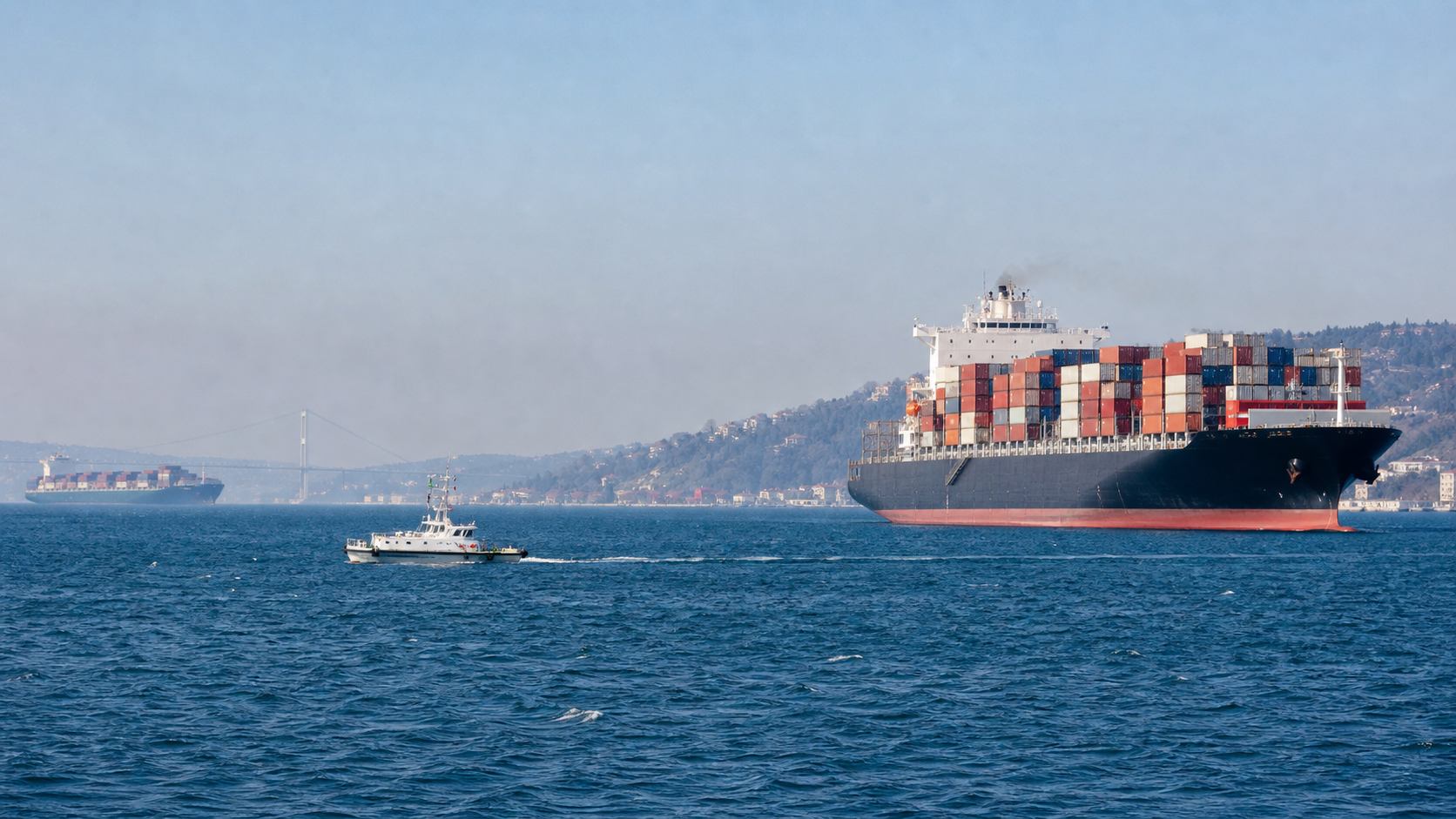
The Strait lies between Iran and Oman and connects the Persian Gulf with the Gulf of Oman and the Arabian Sea. The EIA says it is wide and deep enough for the world’s largest crude-oil tankers, while alternatives can move only part of the volumes that normally pass through it. That geography makes access a security question as well as a commercial one. [2]
In the first half of 2025, the EIA estimated total oil flows through Hormuz at 20.9 million barrels a day, equivalent to about 20% of global petroleum-liquids consumption and one-quarter of global maritime-traded oil. It also estimated that 89% of crude oil and condensate moving through the strait went to Asian markets, with China, India, Japan and South Korea together receiving 74% of those flows. [2]
The waterway is also important for gas. The EIA estimated that 11.4 billion cubic feet a day of liquefied natural gas, more than 20% of global LNG trade, transited Hormuz in the first half of 2025, primarily from Qatar. Pipelines can bypass some oil traffic: Saudi Arabia and the United Arab Emirates together had about 4.7 million barrels a day of bypass capacity, according to the EIA, but that is only a portion of the reported oil flow through the strait. [2]
The leverage and the regional stakes
The reported bargaining structure is unusually symmetrical. Washington controls sanctions and blockade pressure, while Tehran controls—or claims the ability to restrict—access to a vital maritime chokepoint. Reuters quoted a White House official as saying the United States held a strong position and controlled Hormuz, while an Iranian official said Tehran would not give up administrative control of the waterway. Those statements show competing positions; they do not resolve who would administer, inspect or guarantee navigation under any future arrangement. [1]
Gulf leaders were reported to have rejected Iranian control of Hormuz as a coercive instrument and to have insisted that freedom of navigation be restored. At the same time, the regional sources said Gulf states were pressing for de-escalation and a political process to avoid being drawn further into the U.S.–Iran conflict. Their position therefore combines opposition to an enduring Iranian veto over passage with support for diplomacy. [1]
What remains unconfirmed
The reporting does not establish that the United States and Iran have reached a deal. It does not provide a signed text, a joint announcement, a confirmed sequence of concessions, a timetable for reopening, or evidence that ships are already moving under new rules. It also does not confirm the amount or legal mechanism of any frozen-asset access, the scope of the economic blockade, or how a temporary arrangement would be monitored. [1]
Why the talks matter beyond diplomacy
A credible reopening would address a shipping constraint at a route carrying large oil and LNG volumes, potentially reducing immediate concerns about deliveries and vessel access. Conversely, a breakdown or renewed confrontation could preserve pressure on energy transport and keep the waterway at the centre of regional escalation calculations. The EIA’s flow estimates explain why even a temporary disruption can have consequences well beyond the Gulf, especially for Asian importers. [2]
What happens next
The next verifiable steps would be formal statements from Washington or Tehran, a signed sequencing document, a documented change in blockade or sanctions measures, and evidence that navigation rules have changed in practice. Confirmation would also require clarity on who guarantees passage, whether the arrangement is temporary, how disputes are handled and whether any question of transit fees is separated from the main understanding. [1]
For now, the strongest supported conclusion is narrower. Reuters verified that negotiators were exploring a phased proposal built around Hormuz access and U.S. economic relief on 24 September 2026. The sources did not verify a final bargain. Until governments publish terms or implementation begins, the story remains one of high-stakes exploratory diplomacy over a waterway whose energy importance is independently documented by the EIA. [1] [2]