Key points
- Reuters reported the last US forces in Iraq were scheduled to leave remaining bases “by Wednesday,” marking an imminent completion rather than a confirmed finish at publication. [1]
- Iraqi officials and security experts warned the shift could widen space for Iran-aligned groups and complicate internal security dynamics. [1]
- Authorities in Iraq cited a suspected Islamic State plot timed to the withdrawal window, underscoring ongoing counter-terrorism concerns. [1]
- The exit reduces coalition intelligence, logistics and aerial support that Iraqi forces have previously used against Islamic State. [1]
- The Reuters story carried a timestamp of 06:05 UTC on September 29, 2026, clarifying that verification of full base handovers was still pending. [1]
What happened
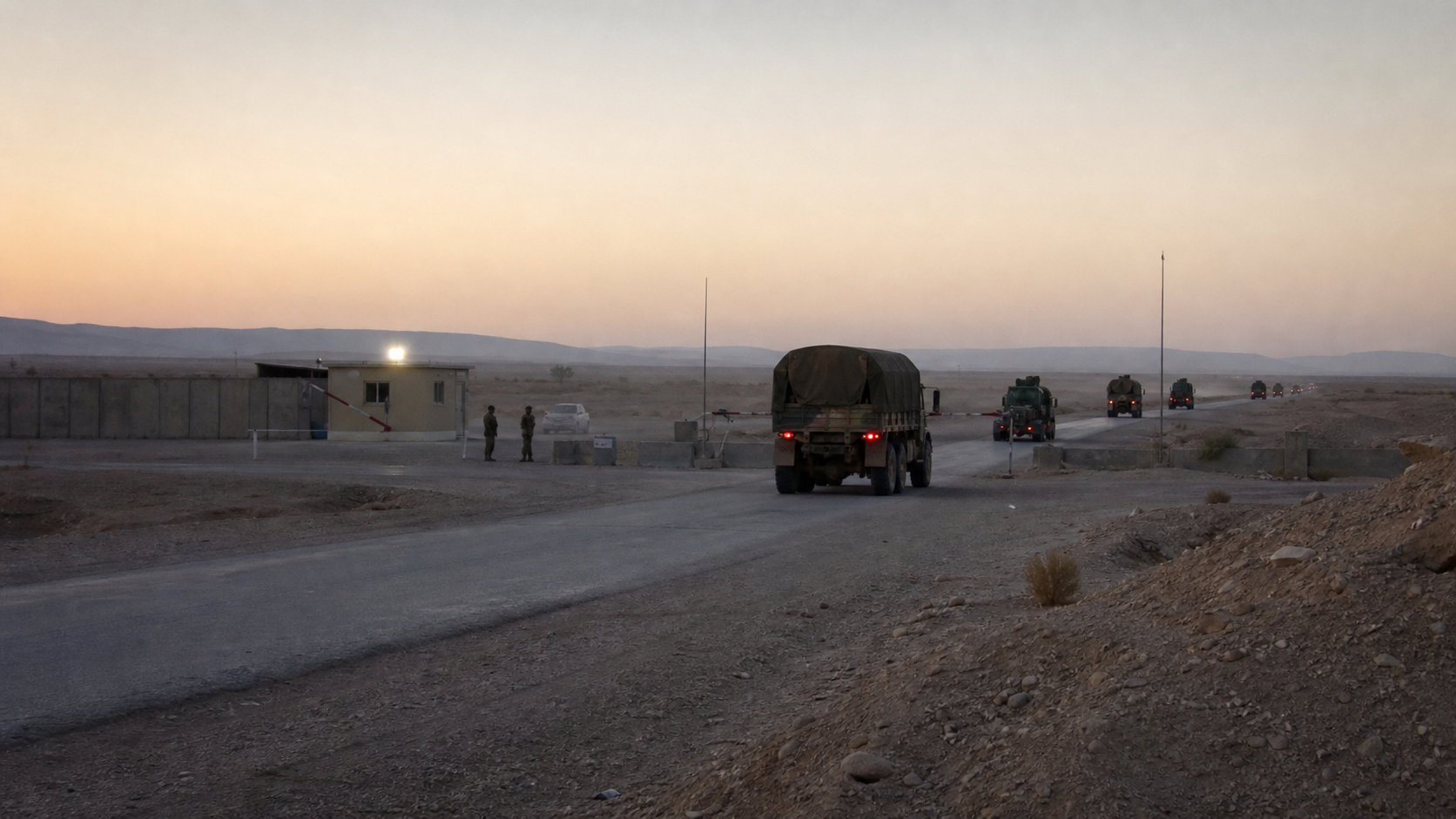
Reuters reported on September 29, 2026, that US forces were set to leave their final bases in Iraq by Wednesday, the latest step in a drawdown agreed in 2024 between Washington and Baghdad. The framing in the report emphasized schedule, not completion: “by Wednesday” signaled an imminent milestone, but did not certify that every installation had been vacated at the time of publication. The article ran at 06:05 UTC, making clear that confirmation would depend on subsequent official statements or on-the-ground verification. [1]
According to Reuters, Iraqi officials and security analysts anticipated that the culmination of the exit would alter Iraq’s internal balance by removing a longstanding US counterweight. That recalibration, they said, could shape how security institutions respond to pressure from Iran-aligned armed groups while sustaining vigilance against Islamic State cells that have sought to exploit gaps in state coverage. [1]
The same account noted that Iraqi authorities reported a suspected Islamic State plot linked to the withdrawal window. While details were not elaborated in the Reuters piece, the reference indicated that militant actors might seek opportunity amid the logistical transitions associated with closing or handing over the last US positions. [1]
Why it matters
The planned departure removes elements of coalition support that have buttressed Iraqi security operations since the height of the fight against Islamic State. Reuters highlighted that this included intelligence-sharing, logistics and aerial surveillance or strike options—capabilities that have historically expanded Iraqi reach against dispersed militant networks. The immediate question raised by analysts is whether Iraqi forces can compensate for the loss of those enablers quickly enough to deter or disrupt attacks during and after the final withdrawals. [1]
The report also pointed to the political-security dimension: the absence of a US military presence inside Iraqi bases may reweight the influence of Iran-aligned factions. Experts cited by Reuters suggested that such groups could find greater room to maneuver within Iraq’s security architecture once a long-standing countervailing force is gone. The extent of any shift remains uncertain, but the direction of travel—toward a more domestically brokered balance with fewer external constraints—was a central takeaway in the piece. [1]
Finally, the timing matters for risk assessment. A scheduled completion “by Wednesday,” if met, compresses a short window during which militant organizations might test defenses or issue claims tailored to the symbolism of a US departure after two decades. Monitoring any immediate movement in threat reporting will help determine whether the transition passes quietly or catalyzes opportunistic aggression. [1]
Background and context
Reuters situated the development in a two-decade arc of US military involvement in Iraq, now entering a final phase of base handovers and exits. The departure process, agreed in 2024, has proceeded alongside efforts to consolidate Iraqi command and control over territories once contested by Islamic State. Coalition support—particularly intelligence fusion, logistics and aerial capabilities—has played a recurring role in degrading IS networks and enabling Iraqi units to project force into remote or complex terrain. The final exits therefore coincide with a capability handoff that is operationally significant. [1]
Against that backdrop, the Reuters account described parallel concerns about Iran-aligned groups whose influence has waxed and waned with Iraq’s shifting politics. The removal of a US counterweight may affect calculations by armed factions regarding posture, deterrence, and pressure on state institutions. How those dynamics evolve will depend on Iraqi leadership decisions and the speed with which authorities can demonstrate continuity of security performance without coalition enablers. [1]
The report’s emphasis on schedule versus verification serves as an important contextual note for readers: while the plan pointed to completion “by Wednesday,” the piece did not claim that every base was already vacated as of the 06:05 UTC timestamp. That distinction underpins the need to track official communiqués and confirmed handover milestones before treating the exit as fully consummated. [1]
What remains uncertain
Verification of completion remained open at publication. Reuters indicated an expected finish “by Wednesday,” but did not list specific facilities or provide documentary confirmation that all had been vacated. Clarity on which bases, in what sequence, and under which handover conditions to Iraqi units is still required to establish a definitive endpoint. [1]
The security trajectory is also unclear. Iraqi officials cited a suspected Islamic State plot tied to the withdrawal period, yet Reuters did not report confirmed attacks explicitly linked to the transition at the time of writing. Whether militants escalate activity, probe security perimeters, or focus on propaganda claims remains to be seen. [1]
Political effects are similarly indeterminate. Experts quoted by Reuters warned that Iran-aligned influence could expand as the US presence recedes, but the magnitude and form—policy leverage, appointment power within security institutions, or operational latitude—will depend on decisions that were not known when the article published. [1]
Finally, the extent to which Iraqi forces can backfill coalition intelligence, logistics and aerial support is an open question. Even if core counter-IS units remain capable, gaps in surveillance or rapid-response capacity during the transition could influence incident patterns in areas where IS cells have previously reconstituted. Reuters did not assert outcomes, only risks and contingencies. [1]
What happens next
In the near term, the key marker will be official confirmation from Washington and Baghdad that all remaining bases have been vacated and handed over, with times and locations specified. Such statements would convert a scheduled milestone into a verified status. Until then, the exit remains an imminent event rather than a completed fact. [1]
Subsequent reporting will likely center on three signals. First, whether authorities in Iraq disrupt any plots or record changes in attack attempts that coincide with or immediately follow the withdrawal window. Second, how Iran-aligned groups frame the transition in public messaging—whether as a strategic opening or a routine evolution—and whether their posture shifts in tangible ways. Third, what steps Iraqi security leadership outlines to replace coalition enablers, especially in intelligence fusion, counter-drone coverage, and time-sensitive targeting. Each of these indicators will help determine whether the end of a two-decade presence ushers in a managed handover or a more contested period. [1]