Key points
- The UK says its assessment is that the RAF Fairford incident was highly likely coordinated in Iran and almost certainly directed by the Islamic Revolutionary Guard Corps (IRGC).
- Prime Minister Andy Burnham told MPs the government would use sanctions and other powers against Iranian networks and funding streams.
- Foreign Secretary Ed Miliband summoned Iran’s ambassador and announced designations against two Iranian nationals.
- Seven men arrested after the September 27 incident have been released on bail, and no one has been charged.
- Tehran’s ambassador rejected Iranian involvement, leaving the attribution contested while the investigation continues.
What happened in Parliament
Britain has moved from saying that foreign-state involvement was one possibility to publicly attributing the RAF Fairford scare to Iran’s security apparatus. In the government’s national-security statement on October 12, the Home Office said the assessment was that the episode was “highly likely” to have been coordinated by a known individual based in Iran and “almost certainly directed” by the IRGC. [1]
That wording matters. It is a government intelligence assessment, not a court finding and not a claim that every person arrested has been shown to have acted for Tehran. The statement did not publish the underlying intelligence or identify the alleged coordinator. It also leaves room for investigators and prosecutors to establish what happened at ground level.
Burnham gave the political commitment alongside the assessment. He said the UK would not tolerate threats on its soil and would use the full range of powers to target Iranian criminal networks and their funding streams. The immediate announcement therefore combined attribution with a warning that more sanctions could follow. [2]
What happened near RAF Fairford
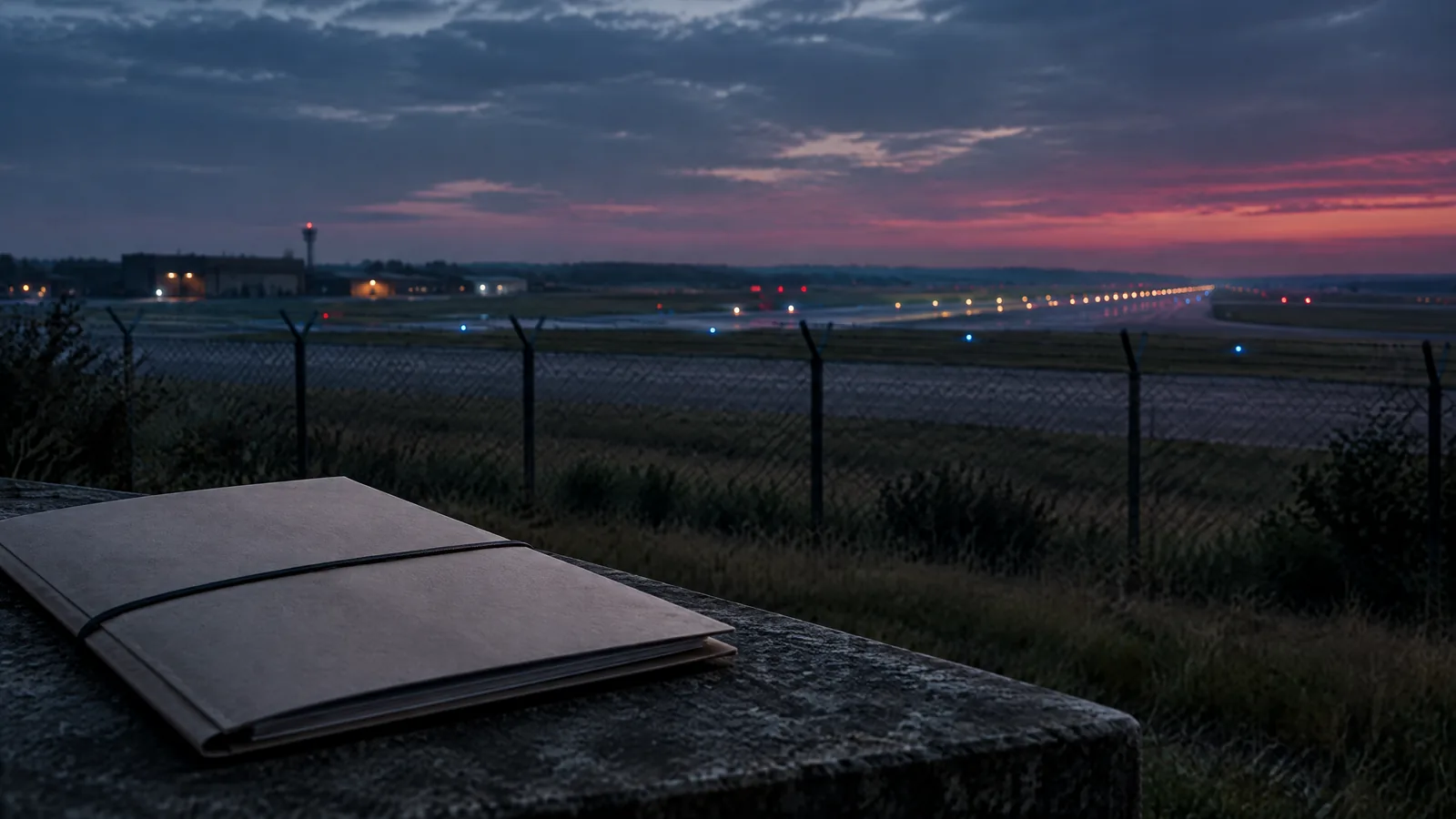
The incident occurred on September 27 near the Gloucestershire base, which has been used as a forward operating location by the US Air Force. British police were alerted to suspicious activity involving vehicles near the site; a large cordon was imposed and residents in nearby Whelford were evacuated. The base had also been hosting US B-1 bombers involved in the wider US-Iran confrontation, and those aircraft were later withdrawn to the United States. [3]
Counter Terrorism Policing said in an October 1 update that it was investigating activity close to RAF Fairford and had arrested a 25-year-old dual UK-Iranian national in Westminster on suspicion of preparing terrorist acts. It said five men arrested earlier remained on police bail and that officers were examining multiple lines of inquiry, including possible foreign-state involvement. [4]
By the time of the government’s October 12 statement, seven men had been arrested in connection with the incident and later bailed, according to the BBC. No one had been charged. Police also recovered petrol from the vans but found no explosives, a detail that helps explain why the case remains an investigation rather than a completed prosecution. [3]
Diplomatic and sanctions response
The Foreign Office summoned Iran’s ambassador to the UK. Miliband said the move was intended to make clear that Britain would not accept threats carried out through criminal networks, proxy groups or state-backed activity. The government also designated two Iranian nationals for alleged hostile activity on behalf of the Iranian regime, imposing measures including asset freezes and travel restrictions, according to the contemporaneous account carried by PA News Agency. [5]
The designations are a separate legal and policy step from proving the Fairford allegations in court. They show how ministers are using the UK’s newer state-threat powers and sanctions framework to respond before a criminal trial, while police and prosecutors continue their work. The government said the IRGC had already been designated under the new powers and that further action would remain available.
The diplomatic exchange is not uncontested. BBC reporting said Iran’s ambassador, Seyed Ali Mousavi, denied that Tehran was involved and said Iran was willing to cooperate with British authorities. [3] That denial means the public record contains a clear dispute: London has released an intelligence-based attribution, while Tehran rejects responsibility. Neither side has made the evidence underlying the claim fully public.
Why the attribution matters
RAF Fairford is not simply a local police story. Its use by US bombers has tied the Gloucestershire base to the wider conflict with Iran, while the September incident exposed the security and diplomatic risks of hosting allied military operations. The US withdrawal of its B-1 bombers added operational uncertainty, although the UK has said the base itself remains safe. [3]
For Britain, the episode also fits a broader concern about states using intermediaries. The Home Office statement described a pattern in which Iran allegedly uses proxies, criminal networks or volunteers to preserve plausible deniability. That framing can shape future investigations, protective security at military sites and sanctions policy well beyond Fairford. It does not, by itself, establish the facts of any particular arrest.
For local residents, the immediate implications are practical: continued police activity, possible disruption around the base and a need to distinguish official updates from speculation. For businesses and institutions, the government’s warning points to heightened scrutiny of foreign-linked funding, recruitment and influence operations. Those consequences may develop even while the evidential and legal questions remain unresolved.
What happens next
The next test is whether investigators can connect the public attribution to admissible evidence. Police will need to clarify what the suspects allegedly did, whether any criminal charges are justified and how the suspected Iran link was established. The government may publish additional sanctions or protective-security measures, but it has not set out a timetable for either.
The ambassador’s summons and the two designations will also test Britain’s ability to deter activity without escalating the confrontation. Further measures could include restrictions on individuals, funding channels or travel, yet each action will carry diplomatic costs and should be judged against the evidence disclosed.
What remains unconfirmed
As of the end of the reporting window, the most defensible description is therefore a major UK attribution rather than a resolved terror case. The fresh development is the government’s public conclusion that the IRGC almost certainly directed the incident, followed by diplomatic and sanctions action. Arrests remain uncharged, Iran denies involvement, and the underlying intelligence has not been published. [1] [2]