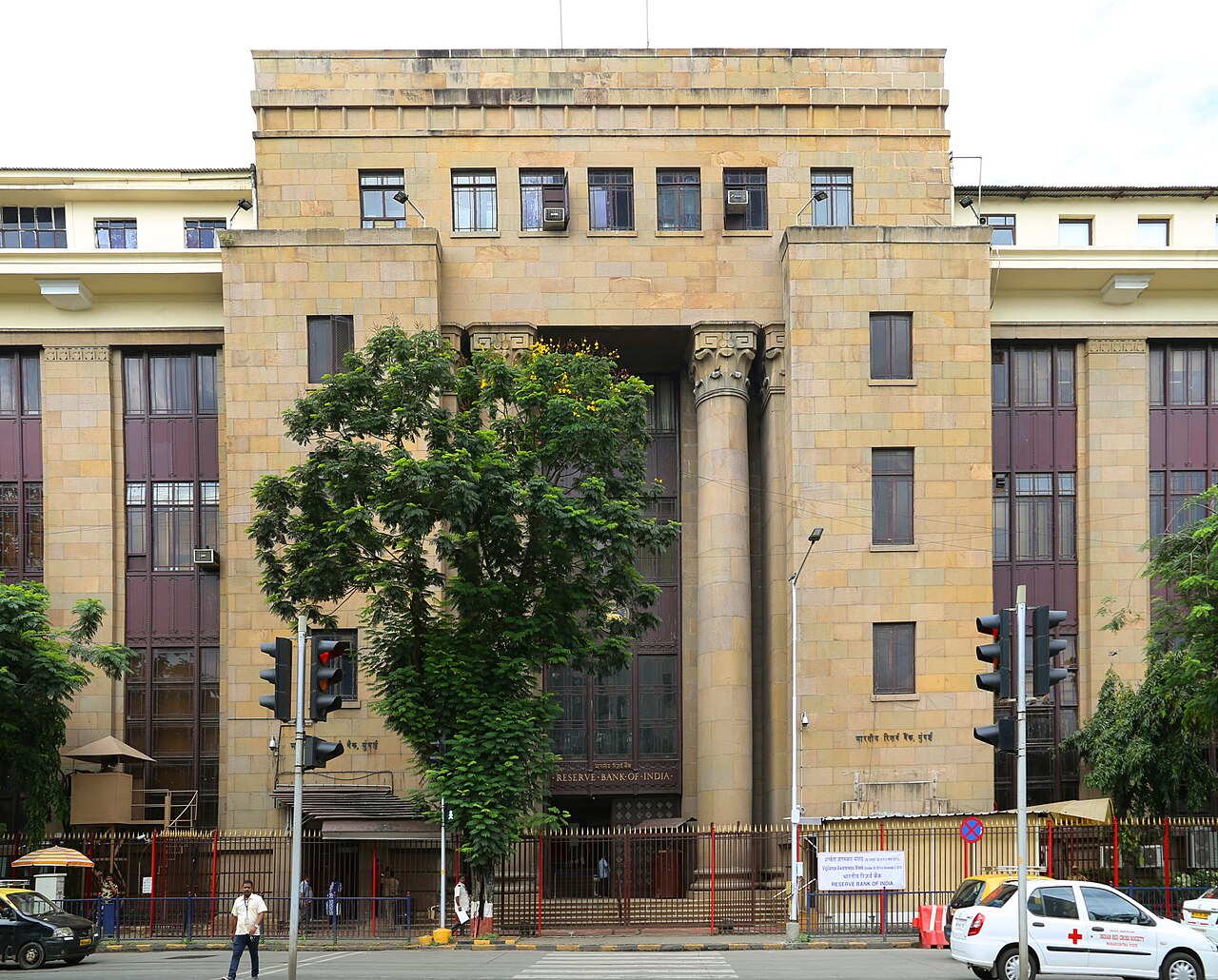
The Reserve Bank of India (RBI) was reported on September 7, 2026, to have taken two related but distinct actions in the preceding days: selling at least $8 billion in the foreign-exchange market to support the rupee, according to six bankers, and absorbing more than 6 trillion rupees through cash-withdrawal operations after banking-system liquidity reached a record. The currency intervention was an attributed market estimate, not an official RBI disclosure; the liquidity figure came from reported auction operations. [1][2]
The reports put the RBI at the centre of a response to an unusual inflow of dollars and a resulting rupee-cash surplus. The first story said banker estimates of the central bank's dollar sales ranged from $8 billion to $15 billion, while the second described overnight and 30-day operations and a dispute over whether technical problems weakened participation in the longer auction. As of the reports' publication, the RBI had not responded to Reuters' requests for comment, so the reported intervention scale and the disputed technical explanation should not be treated as formally confirmed by the central bank. [1][2]
Key points
- Six bankers told Reuters that the RBI sold at least $8 billion during the week to support the rupee; estimates of total market presence ranged from $8 billion to $15 billion. [1]
- The rupee reached 94.2850 per dollar on September 3, an over-two-month high, after sustained intervention, according to the report. [1]
- The RBI absorbed more than 6 trillion rupees on September 7 after system liquidity reached 11.16 trillion rupees the previous day. [2]
- Banks parked 2.59 trillion rupees in a 30-day operation, followed by 3.53 trillion rupees of offers at an overnight auction. [2]
- Traders attributed weak participation in the 30-day operation to technical glitches, while another source said all bids passed through the RBI's e-Kuber system without glitches. [2]
What happened in early September
The foreign-exchange operation came as dollar inflows rose sharply under special policy measures. Reuters reported that the RBI's discounted hedging facility for overseas borrowing and free-of-cost facility for overseas foreign-currency deposits had drawn more than $136 billion, giving it greater room to sell dollars, according to a banker familiar with its interventions. [1]
The bankers did not agree on one precise total. One estimated dollar sales at about $15 billion, while another at a state-run lender put the figure at roughly $10 billion to $11 billion for the week ending September 4. All six sources requested anonymity, and the RBI did not immediately respond to Reuters' request for comment. [1]
Separately, the RBI used liquidity-management operations on September 7. It had sought to withdraw 7 trillion rupees through a 30-day operation, but banks parked 2.59 trillion rupees. An overnight auction then received offers worth 3.53 trillion rupees, taking the reported absorption above 6 trillion rupees. The operation followed a record system-liquidity surplus, not a single announcement that the central bank was permanently removing funds. [2]
How the two interventions differ
Foreign-exchange intervention changes the RBI's position in dollars and rupees as it trades in the currency market. Selling dollars can add dollar supply when market participants are seeking foreign currency, while the corresponding receipt of rupees can drain rupee liquidity from banks. Reuters said the RBI's dollar-selling activity itself also removed rupee liquidity, a link that helps explain why the two stories appeared close together but should not be collapsed into one operation. [1]
The separate reverse-repo-style cash operations were designed to absorb excess rupees from banks for specified tenors. The RBI's reported overnight and 30-day auctions therefore provide operational figures, while the $8 billion-to-$15 billion FX range is an estimate from market participants. Reuters also reported that total liquidity withdrawals had exceeded 8.5 trillion rupees, with funds expected to return to the system as operations matured. [2]
Verified background and context
The currency had been under pressure earlier in the year: Reuters reported a low of 96.96 in May before the rupee recovered to 94.2850 on September 3. Analysts cited in the report did not view that rebound as proof of a sustained appreciation cycle. Goldman Sachs expected the rupee to remain in a medium-term range and said stronger external balances alone were unlikely to produce a lasting rise. [1]
Why it matters to readers and markets
For banks and money-market participants, the scale and tenor of liquidity absorption matter because excess cash can push interbank borrowing costs below the policy rate, weakening monetary-policy transmission. Reuters said sustained surpluses could raise inflation risks and boost financial-asset prices, while the RBI had signalled that rate increases could be ahead if inflation and growth firmed. These are reported implications, not a new RBI forecast. [1][2]
For businesses exposed to the rupee, the reported dollar sales suggest willingness to influence short-term currency conditions, but do not establish a guaranteed exchange-rate path. Importers had increased forward dollar purchases against depreciation, while exporters were holding back sales in the hope of better levels. [1]
What remains uncertain
The exact amount of dollar selling remains unverified by an official RBI statement. Bankers supplied a broad range rather than a single figure, and Reuters did not identify a public transaction log that would settle the difference between the $8 billion minimum and estimates as high as $15 billion. The report also said the RBI's forward FX liabilities may have crossed $200 billion, citing economists' estimates, but that figure is not an official disclosure in the article. [1]
The technical-glitch allegation is similarly unresolved. Five traders told Reuters that glitches affected the 30-day auction and contributed to weak participation. A person familiar with the matter disputed that account, saying all bids went through the e-Kuber system. The competing accounts mean the cause of the lower-than-targeted 30-day take-up should be labelled disputed rather than established. [2]
It is also uncertain how quickly the temporary liquidity operations would affect market rates. The funds were expected to return as the operations matured, and banks had shown less interest in longer-tenor auctions because they were reluctant to lock away funds for extended periods. [2]
What happens next
The most concrete next step is continued monitoring of RBI auction notices, allotment data and later liquidity operations. Reuters quoted a treasury official saying another long-duration reverse repo could be considered later in the week, but that was a market expectation rather than a confirmed RBI schedule. [2]
If the surplus persists, IDFC First Bank economist Gaura Sen Gupta told Reuters that market-stabilisation-scheme bonds and sell-buy swaps could be less disruptive, while noting their challenges. That is an analyst proposal, not an announced policy decision. [2]
On the currency side, future dollar inflows may give the RBI room to manage its forward FX liabilities, which three economists cited by Reuters estimated had likely exceeded $200 billion. Goldman Sachs expected the rupee to remain range-bound, but the report made clear that forecasts remain conditional. The defensible conclusion is therefore limited: early-September data show forceful, parallel management of currency and liquidity pressures, while the precise FX scale, auction glitch account and next instrument remain open to confirmation. [1][2]