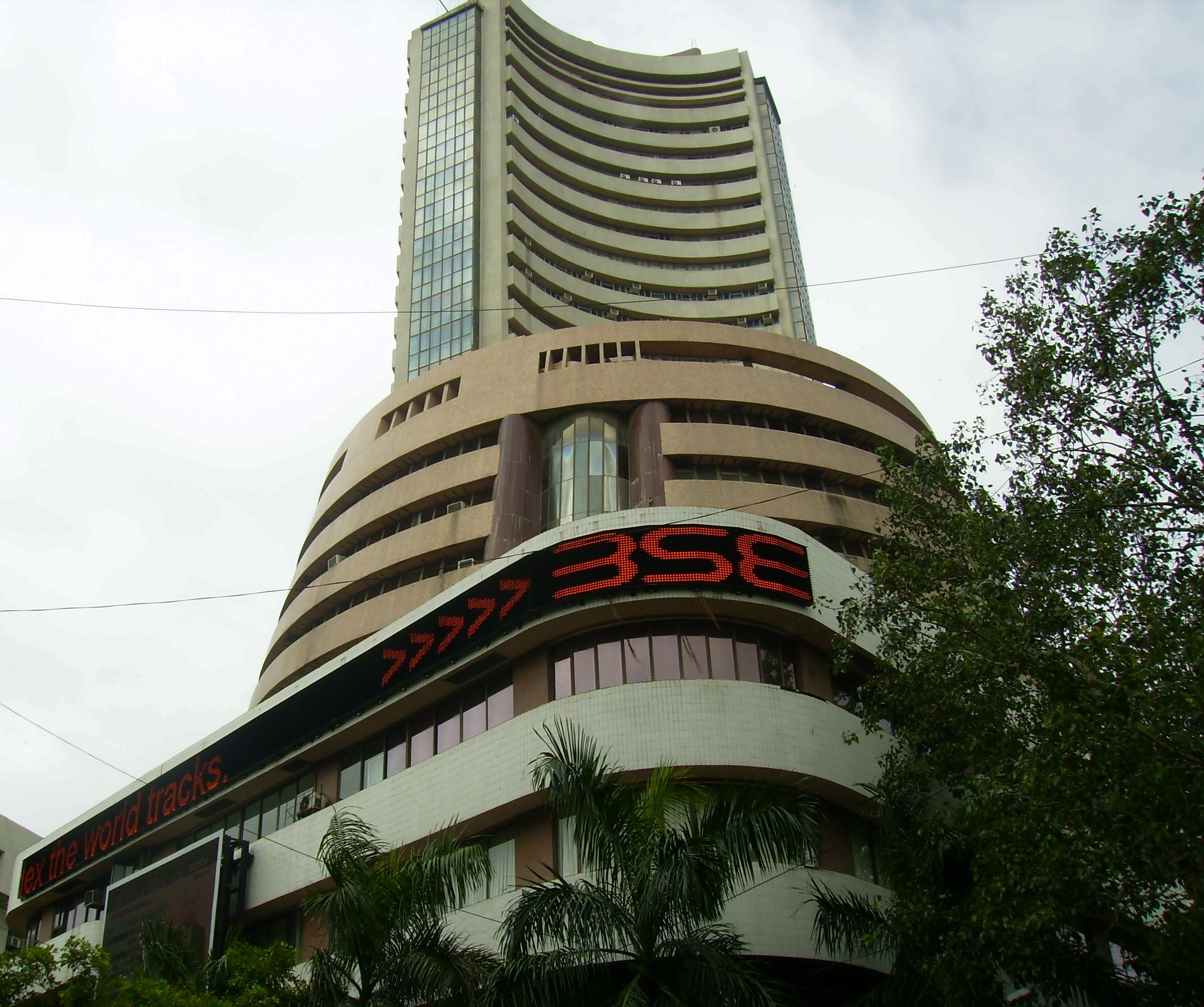
Indian equities ended lower on Monday, Sept. 7, 2026, with the Nifty 50 down 0.5% at 23,779.15 and the BSE Sensex down 0.5% at 76,132.81. Reuters described both benchmarks as closing at six-week lows, [1]
The immediate pressure came from several linked developments: information-technology shares weakened after a stronger U.S. employment report increased the perceived chance of a September Federal Reserve rate increase; Brent crude rose as Middle East tensions escalated; and investors were already dealing with a four-week decline in which the Nifty and Sensex had lost 2.7% and 2.5%, respectively. [1][2]
Key points
- The Nifty 50 finished at 23,779.15, down 0.5%, while the Sensex ended at 76,132.81, also down 0.5%. [1]
- Fourteen of 16 major sectors declined, and the Nifty information-technology sub-index fell 2.3%. [1]
- Brent crude rose 0.6% to $96.80 a barrel as the latest U.S.-Iran escalation heightened supply and inflation concerns. [1]
- A U.S. jobs report showing 162,000 payroll additions lifted market-implied expectations of a September Fed hike to about 62%, from about 55% before the report. [2]
- PVR Inox and Zee Entertainment fell 6.1% and 6.4%, respectively, amid developing allegations and company-specific reports that the companies disputed or had not immediately addressed. [1]
What happened in the Sept. 7 session
The decline was led by technology stocks. Reuters reported that the Nifty IT sub-index fell 2.3%, connecting the move to the market’s reassessment of U.S. monetary policy after the jobs data. The session’s breadth showed the pressure was widespread: 14 of the 16 major sectors recorded losses. [1]
Oil added a second macroeconomic channel. Brent crude futures rose 0.6% to $96.80 a barrel after reported U.S.-Iran incidents involving vessels in and around the Strait of Hormuz. Reuters said the escalation could disrupt energy supply and intensify inflation fears. [1]
Mid-cap shares fell 0.5%, while the broader small-cap measure was flat, according to Reuters. Individual stocks also amplified the day’s volatility: PVR Inox declined 6.1% after reports about an internal investigation alleging 2 billion rupees in kickbacks connected to cinema-property projects; the company said its preliminary examination found no evidence of kickbacks. Zee Entertainment fell 6.4% after media reports about an alleged fraud case involving its founder and LIC Housing Finance; the founder’s office did not immediately respond to Reuters. The claims remain allegations, not adjudicated findings. [1]
Verified background and market context
The rate-sensitive part of the story began with U.S. labor data released on Sept. 4. U.S. employers added 162,000 nonfarm jobs in August, nearly three times the expected increase; participation rose to 61.6%, unemployment held at 4.1% and hourly-earnings growth was 3.1%. The report pushed short-term interest-rate futures to imply about a 62% chance of a hike at the September meeting, compared with about 55% beforehand. That pricing was not a Federal Reserve commitment. [2]
The same Reuters report also set limits around that interpretation. The Fed’s Sept. 15–16 meeting was still ahead, and inflation readings due the following week were identified as important to the decision. Fed Governor Christopher Waller said he could support holding rates in a 3.50%–3.75% range if inflation continued to moderate, while other analysts argued that the strong labor report increased the case for a hike. The range of views confirms that the jobs report changed expectations without settling policy. [2]
Domestic conditions offered some counterweight. Reuters quoted G Chokkalingam of Equinomics Research as saying that periodic conflicts and higher crude could keep markets unstable with a downward bias in the short term. He also identified weaker rainfall and liquidity pressure from a rush of initial public offerings as potential risks, while acknowledging supportive domestic macroeconomic conditions. Those are an analyst’s assessment, not an official forecast. [1]
Why it matters for readers
The session illustrates how a domestic index can transmit external shocks. Stronger U.S. labor data can lift yields, higher oil can feed inflation expectations and geopolitical uncertainty can reduce risk appetite. The IT-sector decline made that transmission visible in a group with substantial U.S. revenue exposure. [1][2]
The move also matters because it occurred after a sustained, though not necessarily uninterrupted, period of weakness. Reuters’ four-week figures put the Nifty’s decline at 2.7% and the Sensex’s at 2.5% before or through the Sept. 7 close. The session alone does not establish a trend reversal or durable bear market, but it shows the weight investors placed on global rates, energy costs and geopolitical risk. [1]
Readers should distinguish the verified closing snapshot from live prices and from investment advice. The National Stock Exchange provides an official historical-index-data interface, while BSE’s archive provides fields for date, open, high, low, close and percentage change; these are the exchanges’ reference points for checking later revisions or downloadable records. [3][4]
What remains uncertain
The reporting does not establish whether the Middle East escalation, Brent’s price or a Fed hike would persist.Reuters explicitly tied the Fed decision to forthcoming inflation data and reported disagreement among policymakers and analysts. [2] Nor does the close demonstrate that IT weakness would continue: the sector’s performance on Sept. 7 was a response to the information available that day. [1]
Company-specific claims require particular caution. The PVR Inox allegation was accompanied by the company’s statement that its preliminary examination found no evidence of kickbacks, while Zee’s reported case had no immediate response from the founder’s office in the Reuters account. Neither report is a final legal determination. [1]
A data-verification boundary remains. The official NSE and BSE pages confirm the existence of historical-data tools and the fields they are designed to present, but the retrieved static text did not expose a dated Sept. 7 row. The precise closes therefore remain attributable to Reuters, with official archives retained for reconciliation. [1][3][4]
What happens next
The next rate-policy test was U.S. inflation data ahead of the Fed’s Sept. 15–16 meeting; investors would also watch crude, the Strait of Hormuz and global yields. A softer inflation reading could reduce the pressure for an immediate hike; persistent price pressure could reinforce the expectations that weighed on Indian IT shares. These are conditional scenarios, not predictions. [2]
In India, the practical follow-up is to compare later exchange records with the Sept. 7 close, monitor whether sector breadth improves, and separate market-wide moves from company-specific disclosures. The official NSE and BSE historical interfaces can support that check, while Reuters’ reporting provides the verified contemporaneous account of the session’s drivers. [1][3][4] Until those signals develop, the defensible status is a completed one-day market snapshot: benchmarks lower, IT under pressure, oil and U.S. rates central to sentiment, and several important outcomes unresolved. [1][2]