The September outlook
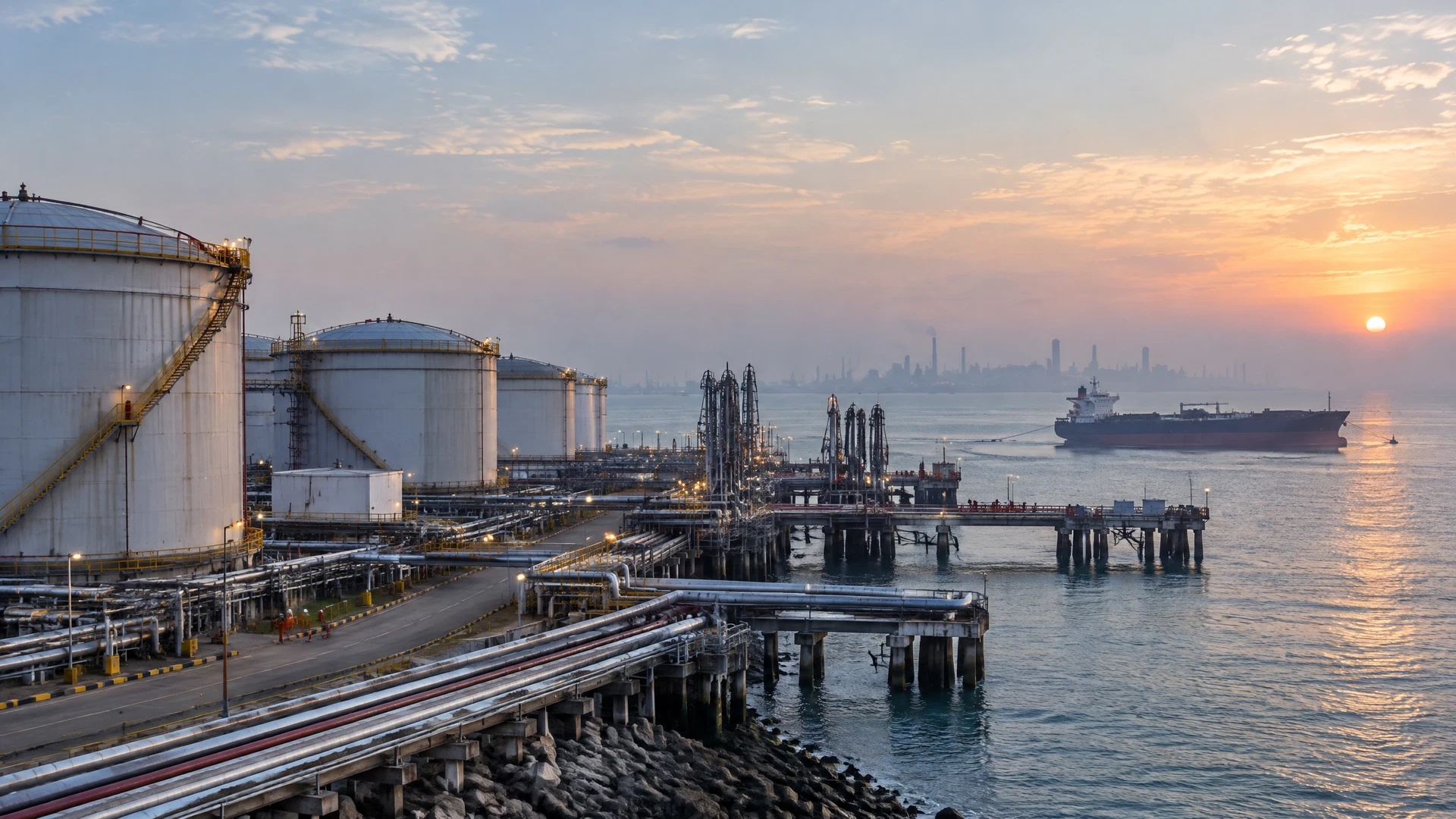
The International Energy Agency substantially lowered its 2026 oil-supply and demand projections in its September Oil Market Report, citing prolonged disruption to Middle East flows and a delayed return to normal production.
The agency projected world oil supply would average 100.7 million barrels per day in 2026. That would be 5.7 million bpd lower than a year earlier and 1.3 million bpd below the IEA's previous monthly estimate. A full recovery in supply from Middle East producers was deferred until 2027.
Demand and inventory pressures
The IEA forecast that global oil demand would decline by 2.5 million bpd in 2026, a contraction 940,000 bpd steeper than it projected one month earlier. It expected demand to recover by 2.6 million bpd in 2027, narrowly offsetting this year's projected decline.
Inventories have helped balance the market, but that buffer has been shrinking. The agency estimated that observed oil stocks fell by 95 million barrels in August, equivalent to 3.1 million bpd. Cumulative inventory draws since February reached 507 million barrels.
The report said August production fell by 1.6 million bpd from the previous month to 100.1 million bpd while more than 10 million bpd of Gulf production remained shut in amid security risks. Oil on water also declined as tanker traffic from the Middle East faced renewed attacks.
Refined products and diesel
The IEA described refined-product markets as especially tight. Global refinery throughput reached 81.4 million bpd in August but remained 4.2 million bpd below a year earlier. The agency said reduced exports from Gulf producers and disruptions to Russia's refining system had sharply constrained diesel supply.
These conditions pushed refinery margins higher in parts of the Atlantic Basin and raised transport-fuel costs. The report's figures are estimates and forecasts based on conditions at publication and can change as production, security and diplomatic conditions evolve.
Different institutional views
Reuters noted that OPEC retained a different demand assessment, forecasting 2026 demand growth of 380,000 bpd. The IEA and OPEC use different assumptions and methodologies. Verdvit presents their estimates separately and does not treat either projection as a guaranteed outcome.
Related coverage
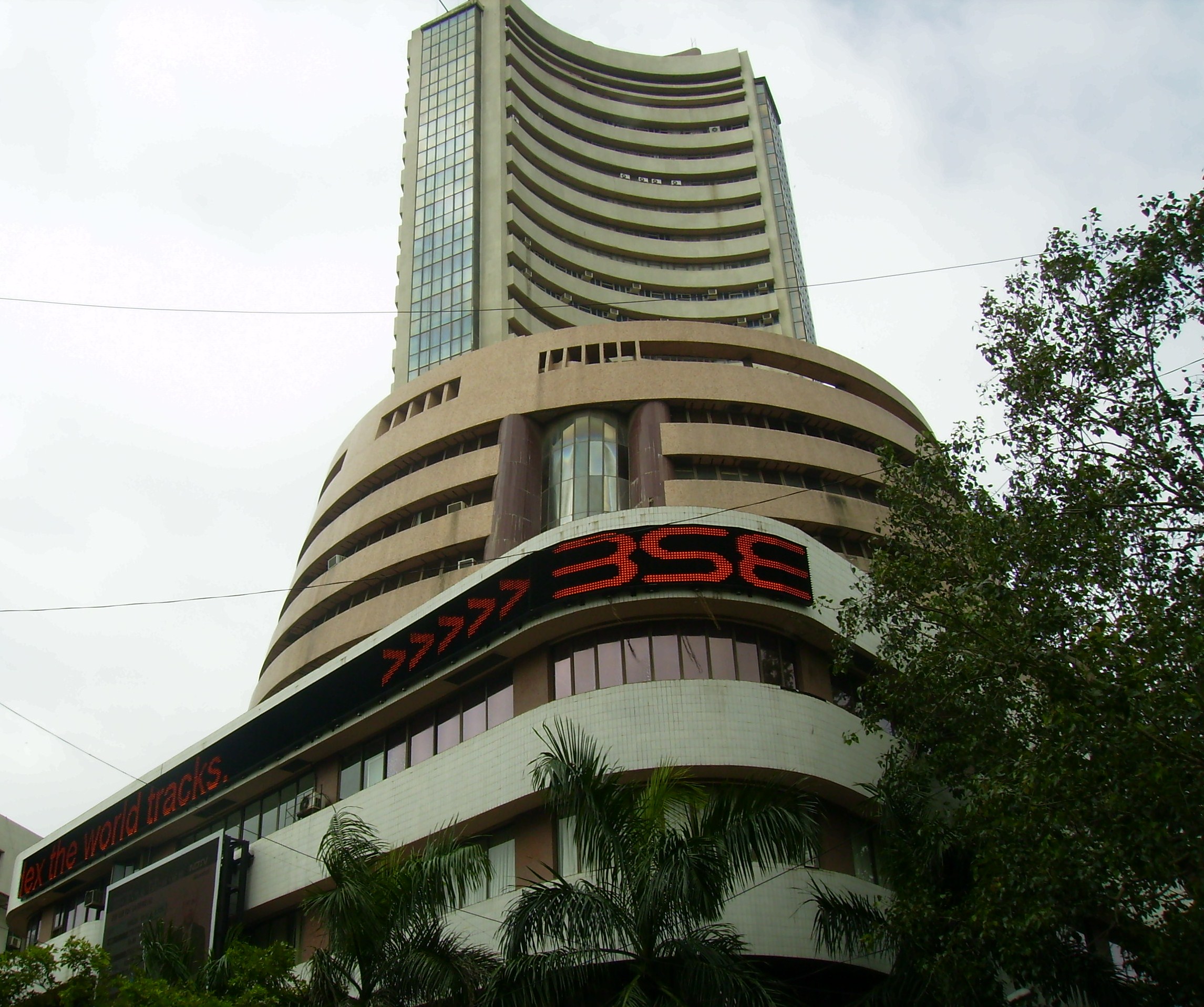
See Verdvit's India market-close report for the effect of higher crude prices on Indian assets and the U.S. inflation report for the latest official consumer-price data.