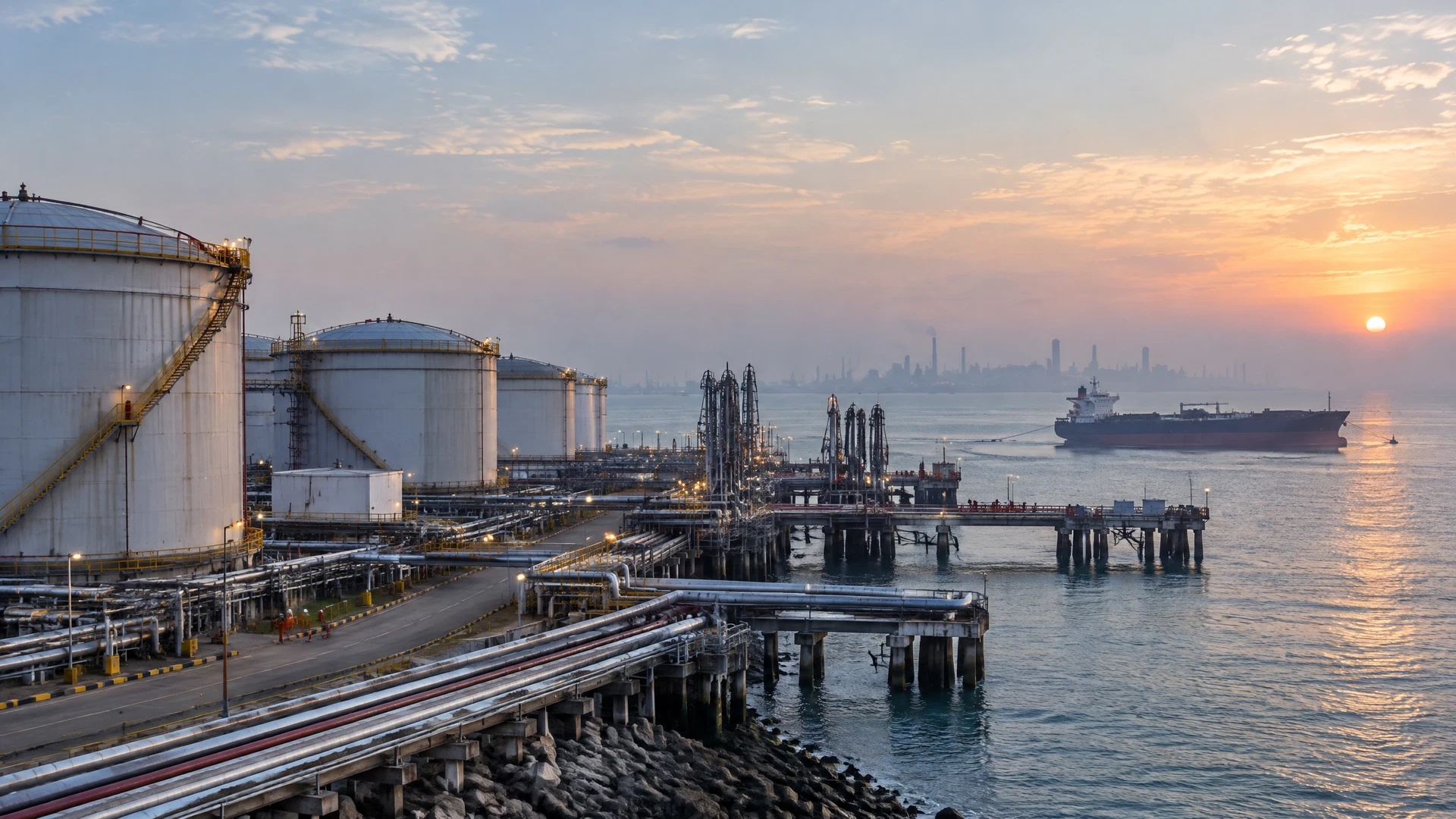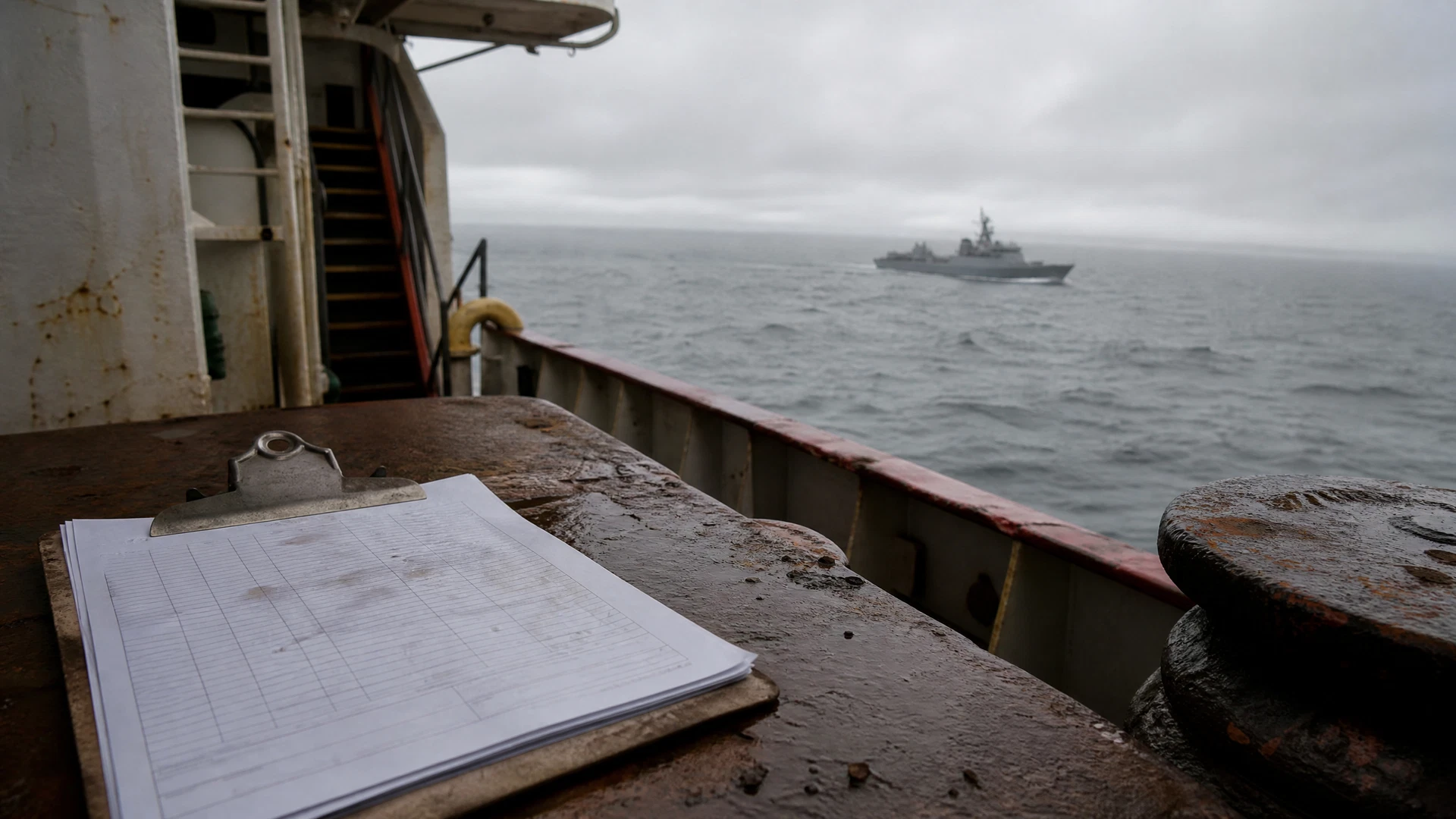
The Strait of Hormuz, a critical maritime chokepoint that carries about one fifth of global oil and liquefied natural gas (LNG) supplies, has long been a focal point of geopolitical tension. However, a recent analysis by Reuters suggests that Iran’s ability to use the strait as a strategic lever is diminishing under the weight of intensified United States pressure. According to the report, a combination of a U.S. naval blockade and tighter economic sanctions is significantly curbing Iranian oil exports, restricting its access to foreign currency, limiting essential imports, and isolating it from global financing networks. [4]
Economic Pressures Mount on Tehran
The economic squeeze orchestrated by the United States appears to be taking a substantial toll on Iran's domestic stability and international trade capabilities. Three senior Iranian sources disclosed to Reuters that the mounting pressure is becoming increasingly difficult for the nation to withstand. These officials specifically highlighted growing concerns over the procurement of key imports, notably crucial supplies such as fuel and wheat, which are vital for the country's population and economy. [4]
Energy Markets Adapt to Disruptions
Despite the historical sensitivity of global energy markets to any potential disruptions in the Strait of Hormuz, the anticipated economic shock sought by Tehran has largely been mitigated. Reuters reported that energy markets have demonstrated remarkable adaptability. Alternative supplies have continued to flow smoothly, effectively limiting the broader economic impact that Iran might have hoped to achieve by leveraging its position along the strait. [4]
Shifting Dynamics of Leverage
The strategic utility of the Strait of Hormuz for Iran is also being questioned by regional experts. Iranian analyst Arash Azizi noted that Iran has lost some of its leverage primarily because it lacks the capability to close the strait fully. This assessment underscores a potential shift in the balance of power in the region, suggesting that the threat of a complete blockade may no longer carry the same weight it once did in international negotiations. [4]
Uncertainties and Alternative Perspectives
While the current trajectory indicates a waning of Iranian leverage, the situation remains highly complex and uncertain. Former U.S. negotiator Dennis Ross and researcher Burcu Ozcelik cautioned against premature conclusions, observing that Iran could remain resilient in the face of these challenges. They warned that the ongoing economic and military pressure might not necessarily force a retreat by Tehran, leaving the ultimate outcome of this standoff unresolved. [4]
Potential Paths to Resolution
Amid the ongoing tensions, the Reuters analysis described a possible shipping-fee formula as one potential route to a negotiated outcome. This proposal, while not an established agreement, represents a theoretical framework that could offer a diplomatic off-ramp. As the situation evolves, it remains to be seen whether such proposals can bridge the gap between the conflicting parties, highlighting the continued need for careful monitoring of this critical global juncture. [4]