 VERDVIT
Bitchat India App Store removal: what is confirmed and how its mesh works
Apple’s India App Store removal of Bitchat was reported on October 3–4, 2026. The record supports the takedown and the app’s mesh design, but not the full government order or an independent privacy audit.
Key points
- Apple’s India App Store removal of Bitchat was reported on October 3–4, 2026, after an Apple notice attributed the demand to MeitY. [1] [2]
- The notice cited Section 69A and said the app included illegal content, but the underlying blocking order and alleged content were not published in the reviewed record. [1] [5] [6]
- TechCrunch also found Bitchat unavailable on Google Play in India; a later report said the website was inaccessible through several Indian internet service providers. [1] [4]
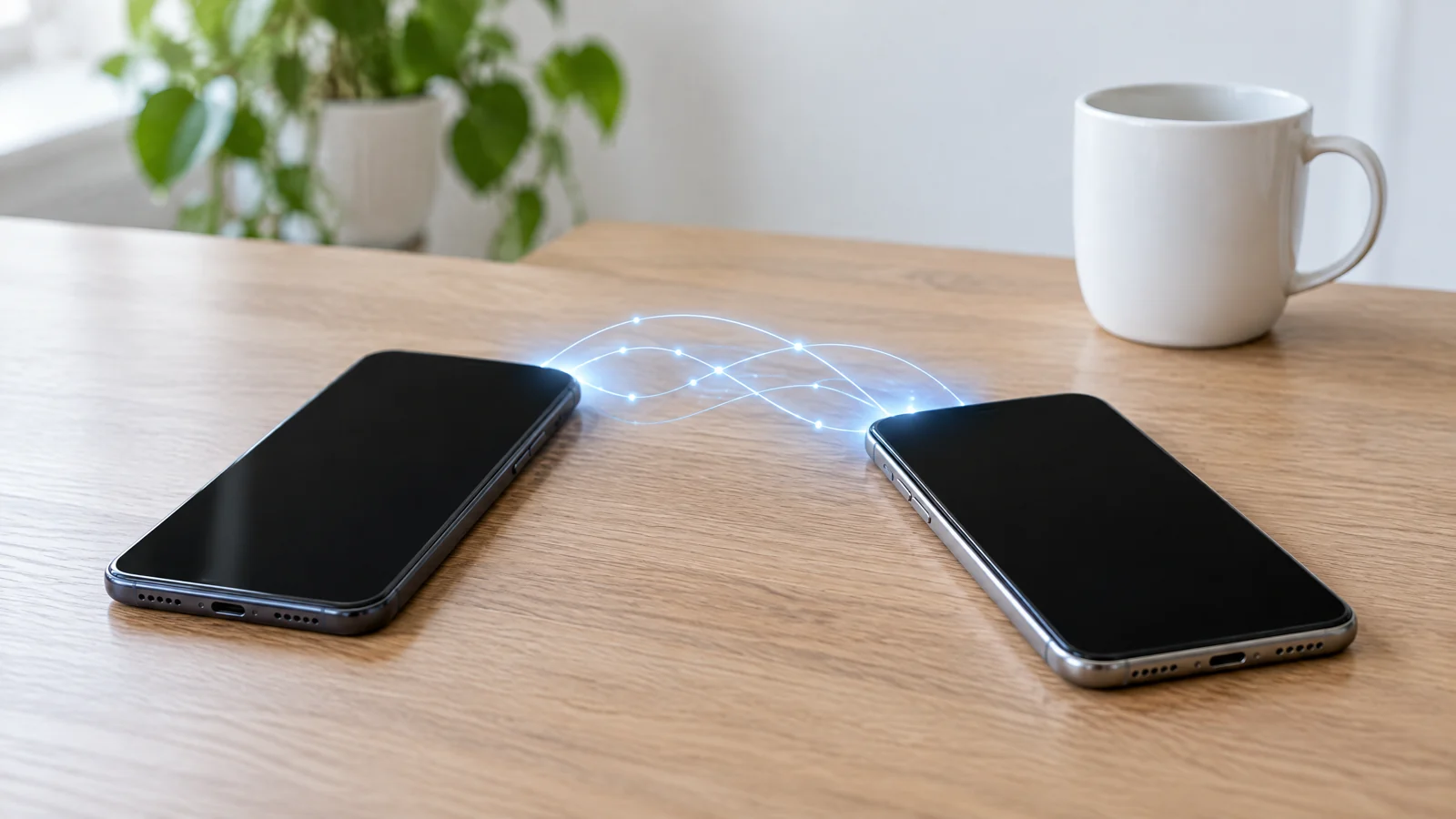
- The project describes Bluetooth Low Energy mesh relays for nearby offline messaging and Nostr relays for internet-based reach. [3]
- The repository’s encryption and privacy descriptions are developer claims, not an independent audit of security, anonymity or metadata protection. [3]
What happened
The immediate event was an Apple distribution decision in India. On October 3, 2026, Bitchat developer Jack Dorsey posted that the Government of India had officially removed the app from the App Store. The post included an Apple App Review notice. TechCrunch reported at 8:02 a.m. Pacific time that Bitchat had disappeared from Apple and Google app stores in India. The Hindu published a report at 12:23 a.m. IST on October 4 and updated it at 6:55 a.m. IST. [1] [2] [7]
The Apple notice, as reproduced by The Hindu and described by TechCrunch, attributed the removal to a demand from the Ministry of Electronics and Information Technology, or MeitY. It said the app would be removed from the India App Store because it included content that was illegal in India and referred to Section 69A of the Information Technology Act, 2000. Apple also said Bitchat would remain available in other territories selected by the developer and that TestFlight access in India would end. Those details establish what Apple’s notice said; they do not establish the complete contents or reasoning of the government direction. [1] [2]
What the record shows
Section 69A gives the Central Government, or an authorised officer, power to direct an intermediary to block public access to information through a computer resource when statutory conditions are met and reasons are recorded in writing. The official text does not itself prove that every step in a particular Bitchat case was followed. [6]
The reviewed record does not contain the underlying Bitchat blocking order. The Internet Freedom Foundation said on October 3 that the Apple notice did not identify the allegedly illegal content or the Section 69A ground invoked, and said the order had not been published. The Software Freedom Law Center, India, likewise wrote on October 5 that no blocking order was publicly available and that the specific grounds could not therefore be assessed. These are statements by rights organisations, not a judicial finding that the order was unlawful. [5] [7]
The episode also followed an earlier dispute. The Hindu reported that India’s cybercrime coordination body had sent a July notice to GitHub concerning Bitchat during protests and that the notice focused on the app’s ability to communicate during network restrictions. That July action is relevant context, but it was a different notice and should not be presented as the legal order behind the October Apple removal. [2]
How Bitchat works
Bitchat’s official repository describes a two-part transport design. Nearby phones can discover one another over Bluetooth Low Energy and relay messages across multiple devices, allowing local communication without a continuous internet connection. The repository calls this a decentralised mesh and says the application can choose Bluetooth first when that route is available. [3]
When internet connectivity is available, the project says Bitchat can use the Nostr protocol and internet relays for broader reach. In this design, Bluetooth is the local path and Nostr is the online path; the two should not be collapsed into a claim that all messages are always offline. The repository also describes Noise Protocol encryption for mesh sessions and app-specific encrypted private envelopes for Nostr fallback. [3]
Those statements describe the software’s intended architecture. They do not independently establish that the system is anonymous, resistant to traffic analysis, secure against every implementation error or suitable for high-risk communications. The repository itself notes that a persistent per-device identifier derived from an identity key can be observed by a nearby radio, an important qualification to broad privacy language. No independent audit was identified in the sources reviewed for this article. [3]
What changed after the first reports
The original October 3–4 reporting centred on Apple, but the event’s reported scope widened. TechCrunch said it could no longer download Bitchat from Google Play in India when it checked on October 3 and said the website was inaccessible across several Indian internet service providers. On October 7, The News Minute reported that both Apple’s App Store and Google Play had removed the app in India and that the website had become inaccessible through several providers. [1] [4]
That later reporting matters for readers trying to understand current access, but it should not be backdated into the first Apple-only headline. Nor does unavailability on a storefront prove that every existing installation stopped working. The Hindu reported the end of India TestFlight availability, while the rights-group statements said removal from the store does not delete the app from phones that already have it. [2] [5]
The reviewed sources also do not establish a return date, an appeal outcome or the full status of every platform and internet provider. They do establish a sequence: an Apple notice and Dorsey post on October 3, early reporting on October 3–4, and later reporting that described a broader India access problem.
What remains unknown
The central unanswered question is the government’s underlying factual and legal case. Neither the Apple notice reproduced in the reviewed reporting nor the public statements examined here supplies the complete blocking order, identifies the allegedly illegal content or confirms which statutory ground was invoked. The official Section 69A text explains the power in general; it is not evidence of the missing case-specific record. [1] [5] [6]
It is also not possible from these sources to quantify how many Indian users were affected, how many devices had the app installed, whether mesh activity changed after the takedown or whether the app’s cryptography has been independently tested. A careful account can say that store removal restricts ordinary new downloads and that Bitchat’s project materials describe offline mesh and online relay paths. It should not turn those facts into claims of guaranteed privacy, guaranteed anonymity or guaranteed continued access.
The verified story is therefore narrower than a claim that India banned all offline messaging or that Bitchat’s privacy has been proven. Apple removed the app from its India storefront after a demand attributed to MeitY; later reporting described Google Play and website restrictions; and the project’s own documentation explains the mesh-and-relay design. The order, its alleged content and an independent security assessment remain unavailable in the reviewed record.